
Building Future-Proof Projects that Deliver Value Beyond the Bottom Line
Sustainability isn’t just a buzzword anymore. It’s a business imperative. From regulatory pressure and investor expectations to brand reputation and customer demand, organizations today are being held to a higher standard—not just in what they deliver, but in how they deliver it.
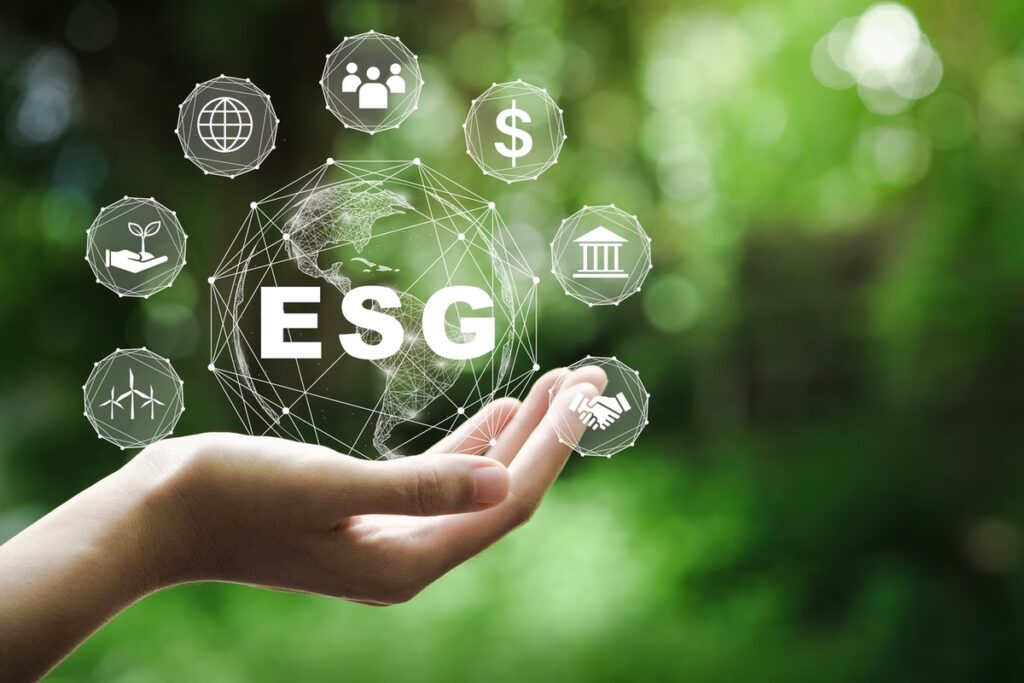
That’s why integrating sustainability and ESG (Environmental, Social, and Governance) principles into project management is becoming essential. And it’s not just a compliance checkbox—it’s a driver of long-term value, resilience, and strategic alignment.
For project managers and PMO leaders, the question is no longer, “Should we think about ESG?” The question is, “How do we embed ESG principles into our project lifecycle in a meaningful, measurable way?”
Why ESG Matters in Project Management
ESG has evolved from a niche concept to a mainstream framework for assessing how organizations impact the world—and how those impacts circle back as opportunities or risks.
- Environmental considerations focus on energy use, waste reduction, carbon emissions, and resource conservation.
- Social covers labor practices, community impact, diversity, and stakeholder engagement.
- Governance relates to transparency, ethics, compliance, and decision-making integrity.
When these dimensions are integrated into projects, the benefits are significant:
- Better alignment with corporate strategy and values
- Enhanced brand trust and stakeholder buy-in
- Reduced long-term risk exposure
- Access to sustainable finance and investor interest
- Greater employee engagement and retention
In short, ESG-aligned projects perform better—not just ethically, but financially and strategically.
From Policy to Practice: ESG at the Project Level
Many organizations have high-level sustainability goals. But the real challenge is translating those goals into daily project decisions. That’s where integration becomes key.
Here’s how to embed ESG into your project lifecycle.
1. Project Initiation: Align with ESG Strategy
Start by asking the right questions during project intake and charter development:
- How does this project support our sustainability or ESG commitments?
- Are there environmental or social risks that need to be considered upfront?
- Can we structure this project in a way that maximizes positive impact?
Tie the business case not just to cost and revenue, but also to non-financial benefits such as carbon savings, inclusion, or community goodwill.
2. Planning: Set Measurable ESG Objectives
Don’t wait until execution to think about sustainability—bake it into your plans.
- Set clear ESG-related KPIs (e.g., waste reduction targets, energy efficiency goals, supplier diversity metrics)
- Choose vendors and partners who share your ESG values
- Integrate ESG criteria into procurement, budgeting, and resourcing decisions
The earlier these values are embedded, the easier they are to manage and report.
3. Execution: Embed Sustainable Practices
Project execution is where ESG commitments are tested in the real world.
- Opt for sustainable materials, digital workflows, or remote collaboration to reduce environmental impact
- Implement inclusive hiring or engagement strategies if the project involves staffing
- Monitor working conditions, especially in outsourced or high-risk geographies
At this stage, actions speak louder than policies—and stakeholder scrutiny is highest.
4. Monitoring & Control: Track and Report ESG Metrics
Use dashboards and performance reviews to ensure your ESG goals remain visible.
- Include ESG indicators in project status reports and steering committee reviews
- Use tools like Power BI or Tableau to visualize carbon savings, diversity stats, or governance compliance
- Flag any ESG risks (e.g., regulatory breaches, ethical concerns) as part of your risk management plan
Treat ESG like you would cost or schedule—as a key performance dimension.
5. Closure: Evaluate Impact and Capture Lessons
When the project wraps, don’t stop at deliverables. Assess how sustainably and responsibly it was delivered.
- Conduct a sustainability post-mortem or ESG lessons learned session
- Update playbooks and standards based on what worked or didn’t
- Celebrate and share ESG wins with internal and external stakeholders
This not only reinforces positive behavior—it builds organizational learning and credibility.
The Role of the PMO in ESG Integration
The PMO plays a crucial role in institutionalizing ESG across the project portfolio.
Key responsibilities might include:
- Defining ESG-related templates and KPIs
- Training project managers on sustainability and governance principles
- Ensuring ESG criteria are included in project prioritization and approval workflows
- Creating dashboards that highlight portfolio-wide ESG performance
- Supporting regulatory compliance and sustainability reporting
With the PMO’s support, ESG moves from vision to reality—from boardroom talking point to project-level action.
Tools That Support ESG Integration
Several tools can help teams manage ESG dimensions throughout the project lifecycle:
- Microsoft Project / Smartsheet – Customize fields and dashboards to include ESG metrics
- Ecochain / Enablon – Specialized platforms for environmental impact tracking
- Confluence / Notion – Repositories for ESG policies, lessons learned, and shared frameworks
- Tableau / Power BI – Visualize and report on sustainability data in real time
- Supplier tracking tools (e.g., EcoVadis) – Score vendors on ESG performance
Whatever the toolset, the goal is the same: make ESG data visible, actionable, and embedded.
Real-World Example: ESG in Action
A global logistics company launched a project to optimize last-mile delivery routes. Beyond cutting costs, the PMO guided the team to integrate ESG considerations:
- Delivery vehicles were converted to hybrid models
- Routing software was enhanced to reduce idling and fuel waste
- Local couriers from underserved communities were hired to increase economic inclusion
- Carbon emissions and hiring diversity were tracked alongside financial KPIs
The result? A 22% reduction in emissions, stronger community ties, and improved project ROI. That’s strategic integration at its best.
Final Thoughts
Projects are how strategy gets executed—and sustainability is a key part of modern strategy.
By integrating ESG principles into project planning and delivery, organizations not only future-proof their operations—they create real, measurable value for customers, communities, and shareholders alike.
For project managers and PMOs, this is an opportunity to lead—not just projects, but transformation.
Because the future doesn’t belong to the most efficient—it belongs to the most responsible, resilient, and integrated.
Would you like a set of ESG-focused project KPIs or a sample sustainability checklist for project charters?


